
Website Design Tips for Tour Companies in Uganda. Uganda’s tourism industry is one of the most vibrant in East Africa, attracting visitors from all over the world who come to experience its wildlife, culture, lakes, mountains, and national parks. From gorilla trekking in Bwindi to safaris in Queen Elizabeth National Park, tour companies play a crucial role in connecting travelers to unforgettable experiences.
In today’s digital age, most tourists plan their trips online. They search for destinations, compare tour packages, read reviews, and make bookings through websites. This means that a tour company’s website is often the first interaction a potential customer has with the business. A poorly designed website can lead to lost opportunities, while a professional and engaging website can significantly increase bookings and trust.
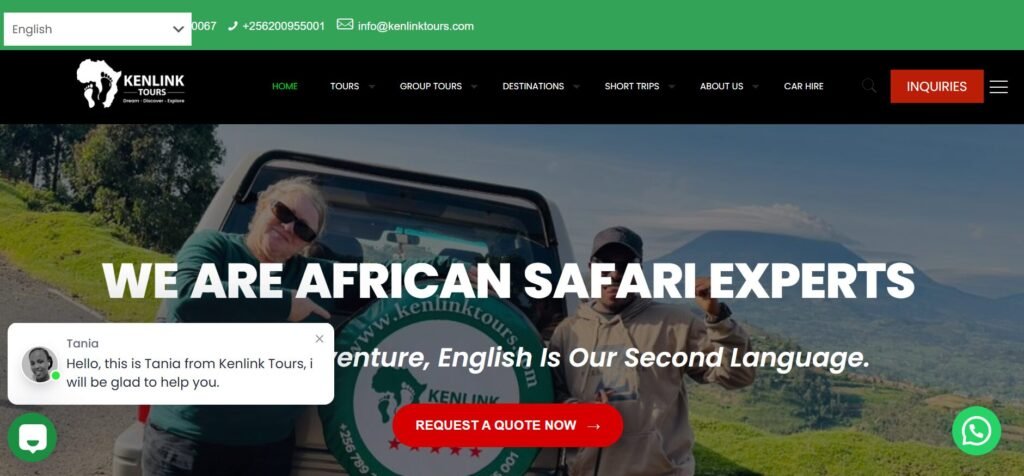
For companies like Kenlink technologies, designing websites for tour companies means creating visually attractive, fast, mobile-friendly, and conversion-focused platforms that inspire travelers and drive bookings.
This article explores the best website design tips for tour companies in Uganda and how they can improve their online presence and grow their business.
Understand Your Target Audience
Before designing a website, tour companies must clearly understand their target audience. Most tourism websites serve both local and international travelers, each with different expectations.
International tourists often look for:
- Detailed travel itineraries
- Pricing transparency
- Safety information
- Visa and travel guidance
- Professional visuals
Local tourists may focus more on:
- Affordable packages
- Weekend trips
- Group tours
- Quick booking options
Understanding the audience helps in designing a website that meets their needs and encourages conversions.
A well-planned website ensures visitors quickly find the information they are looking for without confusion.
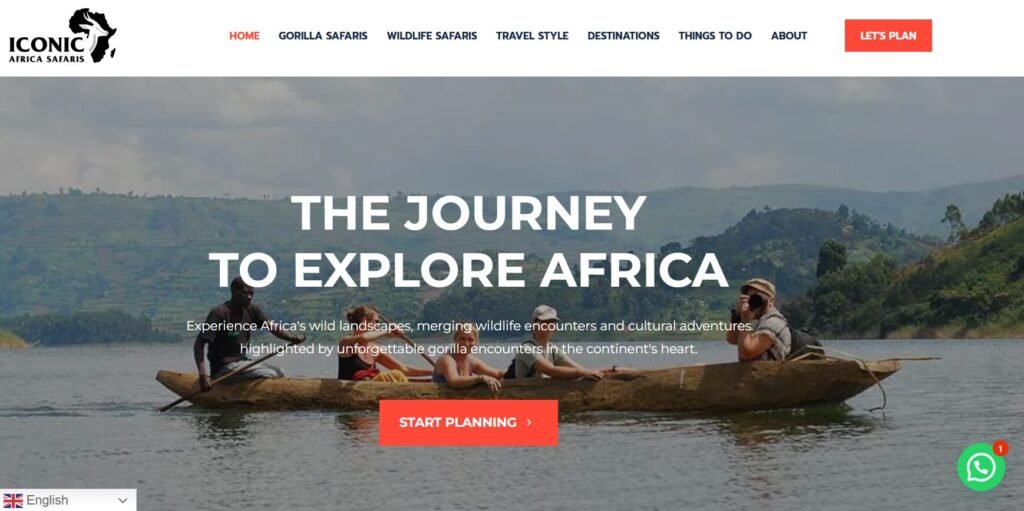
Use High-Quality Visual Content
Tourism is a highly visual industry. Travelers are inspired by what they see. Therefore, images and videos are one of the most powerful tools for tour company websites.
A strong tourism website should include:
- High-resolution safari images
- Wildlife photography from Ugandan parks
- Drone footage of landscapes
- Videos of tour experiences
- Photo galleries for destinations
Visual content creates emotional connections and helps potential customers imagine themselves on the trip.
At Kenlinktechnologies, tourism websites are designed with immersive visuals that highlight Uganda’s natural beauty and attract global travelers.
Mobile-Friendly and Responsive Design
Most travelers use smartphones to research and book tours. This makes mobile responsiveness one of the most important website design factors.
A responsive website ensures that:
- Pages adjust to all screen sizes
- Images load properly on mobile devices
- Navigation is easy on touch screens
- Booking systems work smoothly
A mobile-friendly website improves user experience and increases conversion rates.
Search engines also prioritize mobile-optimized websites, making responsiveness important for SEO rankings.
Clear and Simple Navigation
Tour company websites must be easy to navigate. Visitors should quickly find information about tours, prices, destinations, and booking options.
Important navigation elements include:
- Home
- About Us
- Tour Packages
- Destinations
- Blog
- Contact
- Book Now
A clean menu structure reduces confusion and helps users stay longer on the website.
Good navigation improves customer satisfaction and encourages bookings.
Strong Call-to-Action (CTA)
A tour website should guide visitors toward taking action. Clear calls-to-action help convert visitors into customers.
Effective CTAs include:
- “Book Now”
- “Explore Tours”
- “Contact Us Today”
- “Get a Free Quote”
- “Plan Your Safari”
CTA buttons should be visible, attractive, and placed strategically throughout the website.
Without strong CTAs, even a well-designed website may fail to generate bookings.
Fast Loading Speed
Website speed is critical in tourism websites. Travelers often browse multiple websites when planning trips, and slow-loading pages can cause them to leave quickly.
Fast websites improve:
- User experience
- SEO rankings
- Conversion rates
- Customer satisfaction
Speed can be improved by:
- Compressing images
- Using lightweight code
- Choosing reliable hosting
- Reducing unnecessary scripts
At Kenlinktechnologies, performance optimization is a key part of tourism website development.
SEO Optimization for Tour Websites
Search engine optimization (SEO) helps tour companies appear in search results when travelers look for safaris or tours in Uganda.
For example, when users search:
- “Uganda gorilla tours”
- “Safari companies in Uganda”
- “Best tour packages Uganda”
SEO helps websites appear at the top of results.
Important SEO strategies include:
- Keyword optimization
- Destination-based content
- Blog articles about travel
- Meta tags and descriptions
- Image optimization
- Local SEO targeting Uganda tourism
SEO increases organic traffic and reduces reliance on paid ads.
Detailed Tour Package Descriptions
Tour package pages are one of the most important parts of a tourism website. Visitors want to understand exactly what they are paying for.
Each tour package should include:
- Duration of the tour
- Destinations included
- Activities involved
- Pricing information
- Accommodation details
- Transportation arrangements
Clear and detailed descriptions build trust and reduce customer uncertainty.
Well-written content also improves SEO performance.
Online Booking System
A modern tour company website should include an easy-to-use booking system. Travelers prefer booking tours online without long communication delays.
A good booking system allows users to:
- Select tour packages
- Choose travel dates
- Check availability
- Make payments
- Receive confirmation emails
This simplifies the booking process and increases sales.
At Kenlinktechnologies, custom booking systems are designed to improve customer experience and increase efficiency for tour operators.
Trust and Customer Reviews
Trust is very important in tourism. Travelers often rely on reviews before choosing a tour company.
Tour websites should display:
- Customer testimonials
- Trip reviews
- Star ratings
- Travel stories
- Social proof from past clients
Positive reviews increase credibility and influence booking decisions.
Embedding reviews from platforms like Google or TripAdvisor also builds trust.
Blog Section for Travel Content
A blog is a powerful tool for tour companies. It helps attract visitors and improve SEO rankings.
Tourism blogs can include:
- Travel guides about Uganda
- Safari tips
- Destination highlights
- Wildlife information
- Cultural experiences
- Travel safety advice
Regular blogging positions a company as an expert in the tourism industry.
For Kenlinktechnologies, content marketing is used to help tour companies increase online visibility and attract global tourists.
Integration with Maps and Locations
Tourists want to know exactly where destinations are located.
Tour websites should include:
- Google Maps integration
- Park and lodge locations
- Distance calculators
- Travel route information
This helps travelers plan their trips easily and improves user experience.
Social Media Integration
Social media is a powerful marketing tool for tour companies. Platforms like Instagram and Facebook are widely used to promote travel experiences.
Tour websites should include:
- Social media links
- Photo feeds
- Share buttons
- Video integration
This helps increase engagement and reach a wider audience.
Secure Website Design
Security is essential, especially when handling online payments and personal information.
Tour websites must include:
- SSL certificates (HTTPS)
- Secure payment gateways
- Data protection systems
- Regular updates and backups
A secure website builds customer trust and protects business reputation.
Multilingual Support
Tour companies in Uganda serve international clients from different countries. Multilingual websites improve accessibility and user experience.
Common languages include:
- English
- French
- German
- Spanish
This helps attract more international tourists and increases bookings.
Use of AI and Chatbots
Modern tourism websites are beginning to use AI tools such as chatbots.
Chatbots help:
- Answer customer questions instantly
- Provide tour recommendations
- Assist with bookings
- Improve customer service
This improves response time and customer satisfaction.
The Role of Professional Web Developers
Building a high-quality tour website requires technical expertise and experience in design, SEO, and user experience.
Professional web developers ensure websites are:
- Visually appealing
- Mobile-friendly
- SEO-optimized
- Fast and secure
- Easy to manage
Companies like Kenlinktechnologies help tour operators in Uganda build powerful digital platforms that drive business growth.
Website design plays a crucial role in the success of tour companies in Uganda. A well-designed tourism website attracts visitors, builds trust, improves SEO visibility, and increases bookings.
Key features such as mobile responsiveness, high-quality visuals, clear navigation, strong CTAs, SEO optimization, booking systems, and customer reviews all contribute to a successful website.
As Uganda’s tourism industry continues to grow, tour companies must invest in modern, user-friendly, and conversion-focused websites to remain competitive.
For companies like Kenlink technologies, designing professional tourism websites means helping businesses showcase Uganda’s beauty to the world while increasing bookings and building strong digital brands.
A great tour website is more than just an online presence—it is a powerful tool that inspires travelers and turns interest into real travel experiences.